
In October 2026, the vessel "Ningyuan Diankun" (Ningyuan Electric Kun) completed another round-trip voyage, departing from and returning to Ningbo-Zhoushan Port. This milestone marks the transition of the world’s largest all-electric, intelligent container ship—with a capacity in the ten-thousand-ton class—from a six-month commercial trial phase into a stage of regular, stable operations. It sets a new benchmark for the development of green shipping systems across China’s inland waterways and coastal regions. The vessel made its maiden voyage on April 15 of this year, traveling from the Beilun Port Area of Ningbo-Zhoushan Port to the Zhapu Port Area of Jiaxing Port—a development that fundamentally reshapes an industry long reliant on traditional, fuel-powered large cargo vessels.
According to the operator, the "Ningyuan Diankun" was built by a long-established shipbuilding enterprise located along the Yangtze River. Leveraging expertise in military-grade manufacturing, the vessel achieves significant breakthroughs in three key areas: propulsion systems, intelligent control, and low-carbon, eco-friendly design. Unlike conventional cargo ships, it is powered entirely by electricity; it produces no noise from diesel engines and emits no exhaust fumes or black smoke. With zero fuel consumption and zero carbon emissions during operation, it perfectly aligns with the core requirements for the green, low-carbon development of modern ports. To manage energy consumption, the ship is equipped with a high-capacity battery storage system integrated with an intelligent energy management platform. This system automatically adjusts power output based on factors such as water currents, wind speed, and vessel speed, allowing for a range on a single full charge that fully covers major coastal and inland shipping routes across the Zhejiang-Shanghai region and beyond.
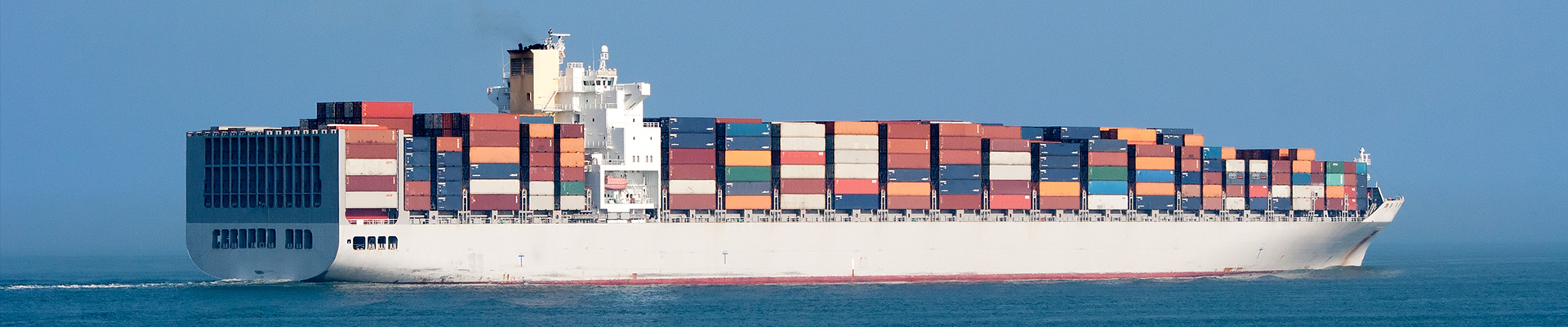
Intelligent navigation is the core highlight of this vessel. It is deeply integrated with a next-generation smart shipping platform and equipped with systems such as high-precision BeiDou positioning, intelligent obstacle avoidance, autonomous cruising, and situational awareness. These capabilities enable real-time monitoring of the vessel’s status, autonomous route planning, and intelligent risk early warning. In complex scenarios—such as berthing and unberthing at ports or navigating through narrow channels—the intelligent system assists the crew in executing precise maneuvers, significantly enhancing both navigational safety and operational efficiency. Furthermore, the vessel features a digital operations and maintenance (O&M) system that monitors equipment performance data in real time, allowing for the proactive identification of potential faults, thereby reducing O&M costs and the likelihood of unplanned downtime.
Since entering commercial service, the *Ningyuan Diankun* has completed over 100 voyages and transported more than 20,000 TEUs (twenty-foot equivalent units) of containers. It has maintained a record of zero safety accidents and zero environmental complaints, with an overall operational efficiency that surpasses that of conventional fuel-powered vessels of the same tonnage. Calculations indicate that, compared to a fuel-powered cargo ship of the same class, this vessel reduces carbon dioxide emissions by nearly 10,000 tons annually, while also cutting emissions of pollutants such as sulfur oxides and nitrogen oxides by hundreds of tons—delivering significant environmental benefits.
Currently, the Ningbo-Zhoushan Port is leveraging the regular operation of this vessel to accelerate the upgrading of green port infrastructure. By continuously deploying supporting facilities—such as intelligent charging stations and energy storage/supply hubs—the port is building an integrated "all-electric vessel + green port" shipping ecosystem. Industry experts note that the large-scale commercial use of the *Ningyuan Diankun* has broken through technical barriers for large electric cargo vessels and validated the commercial viability of 10,000-ton-class all-electric seagoing ships. This provides a replicable and scalable model for the green transition of inland and coastal shipping across China, further driving the nation’s shipping industry toward a future defined by low-carbon, intelligent, and high-end operations.